
An Overview of the Inner Workings of Electrical Wiring in Your Home: What It Is and How It Works
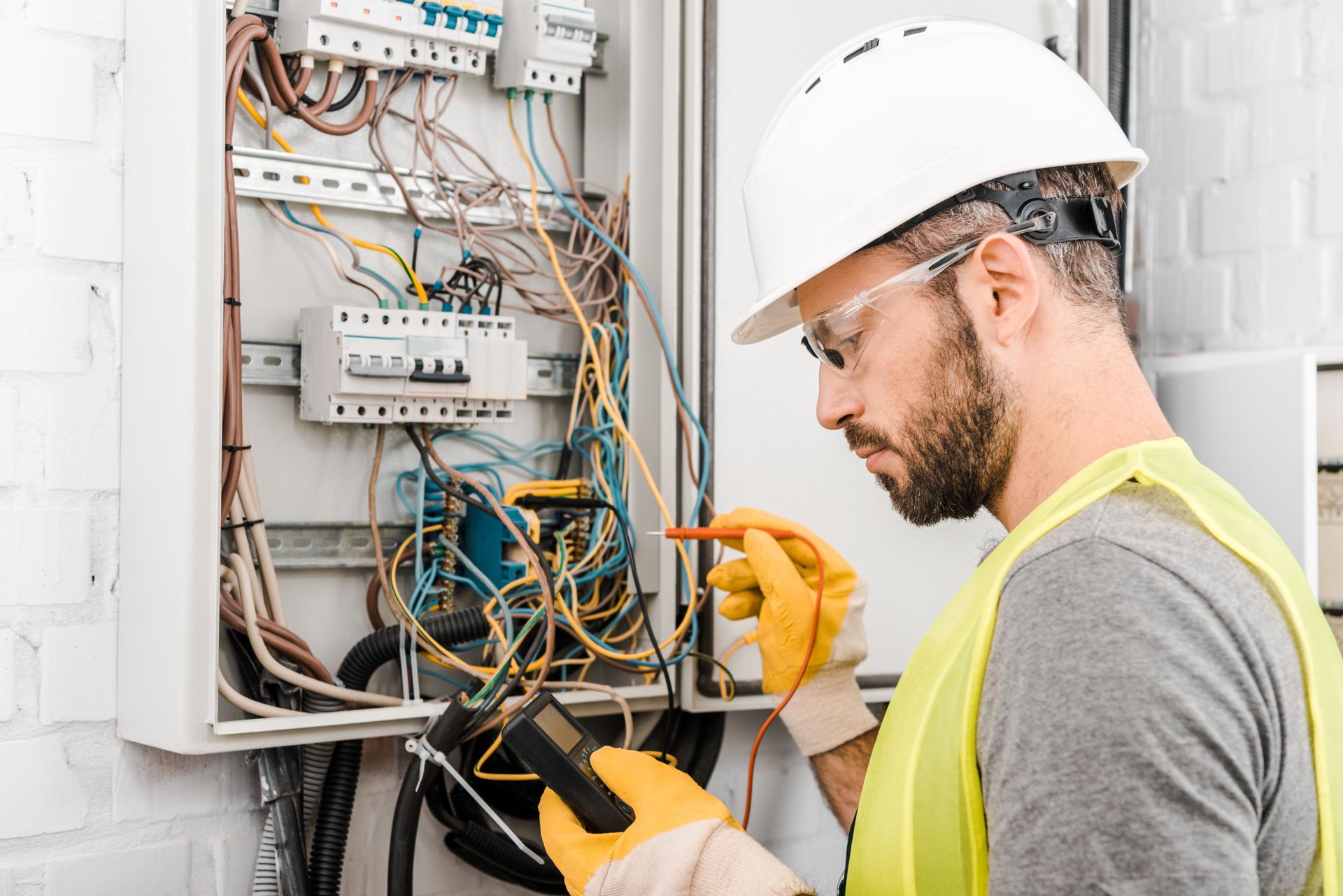
Electricity is an essential component of our{ daily|| everyday} lives, supplying everything from the lighting in our houses to gadgets we use every day. However, electricity systems are a bit complicated, knowing how they work isn’t easy. In this article we’ll breakdown the components that make up an electric system and show how circuits operate to power appliances and devices. Our residential electricians can handle any electrical jobs you need.
The components of an electrical system
A home’s electrical system includes a number of key components that work together to provide power throughout homes. These include:
Breaker box: the main distribution point for electric power in a home that is where electricity is divided into several circuits
Switches and outlets: points where electricity is delivered to appliances and devices
Wiring: the wires that transmit power from the breaker box to the outlets and switches
Electrical appliances and devices: the devices and appliances that use electricity to function
Electrical Circuits
A circuit of electricity is one that allows electricity to flow from the point of origin (the breaker box) to appliances and devices within a home. There are two kinds of electrical circuits that can be found in homes that are 120-volt and circuits with 240-volt voltage. 120-volt circuits are employed for the majority of household appliances and appliances, whereas the 240-volt circuits are utilized for larger appliances such as dryers and air conditioners.
Electrical circuits work by creating the loop which allows electricity to flow from the source into the device or appliance. The loop consists of a hot wire that transports the power, a neutral wire that completes the circuit and a ground wire , which is the pathway for electricity to reach the ground in the event there is a problem.
Understanding Electrical Wiring
Electrical wiring is available in many different kinds, including non-metallic sheathed cables (NM), armored cable (AC) and conduit. Each{ type|| kind} has its own advantages and disadvantages and the selection of the type of wiring is based on the specific requirements of the installation.
Wiring conducts electricity by creating a flow of electrons in the wire. The electrons travel between the origin and the device or appliance, and back to the source using the neutral wire. It is essential to ensure the wiring is put in place and maintained properly, since improper wiring can cause electrical dangers like shocks and fires.
Common Electrical Issues
Some common electrical problems that homeowners face include tripping the light bulbs, flickering breakers and dead outlets. The causes of these issues could be by a variety of factors that include overloading circuits, loose connections, and faulty wiring.
If you are experiencing one of these problems, it’s crucial to pinpoint the cause and take appropriate action to fix the problem. In some instances this could mean contacting an authorized electrician to examine and fix the wiring.
Final Conclusion, and Call to Action
Understanding the way electrical wiring functions is vital to ensure the safety and security of your home’s electrical system. If you follow the rules laid out in this document, you can stay secure and avoid potential dangers.
Should you ever have concerns or questions regarding your home’s electrical system do not hesitate to call Local Electrician Richmond. Our electricians are licensed and have the knowledge and expertise to address all of your electrical needs. Contact us by phone at 1300 941 878 to schedule a consultation.
FAQ
What are the indicators of faulty electrical wiring?
The signs of an electrical wiring issue could include tripping breakers flickering lights, or dead outlets, among others.
When should I schedule my home’s electrical system inspected?
It is recommended to have your home’s electrical system inspected by a licensed electrician every 10 years.
What is the life expectancy for electrical wires?
The life span of electrical wiring depends on many factors, such as the kind of wiring used, the environment it’s installed in, and the standard of the installation. The majority of electrical wiring lasts at least 30-years or longer if it’s installed with correct installation and care.
Can I fix electrical problems myself , or do I need to employ an electrician?
While some electrical issues can be fixed by homeowners, it is recommended that you hire an experienced electrician for the majority of electrical repairs. Attempting to fix electrical problems without the proper education and knowledge can be risky and can result in damage or injury to your home.
What should I do if I encounter an electrical problem at home?
In the event of an electrical issue the first step is to turn off the power supply to the affected area by shutting off the fuse or breaker. Then, contact an accredited electrician to look into and fix the issue as soon as you can.
By following these rules By following these rules, you can ensure safety and reliability of your home’s electrical system and prevent potential hazards. Remember, when you need repairs to your electrical system or installations, it’s always recommended to rely on the professionals. Reach out to Local Electrician Richmond at 1300 941 878 to discuss all of your electrical requirements.